
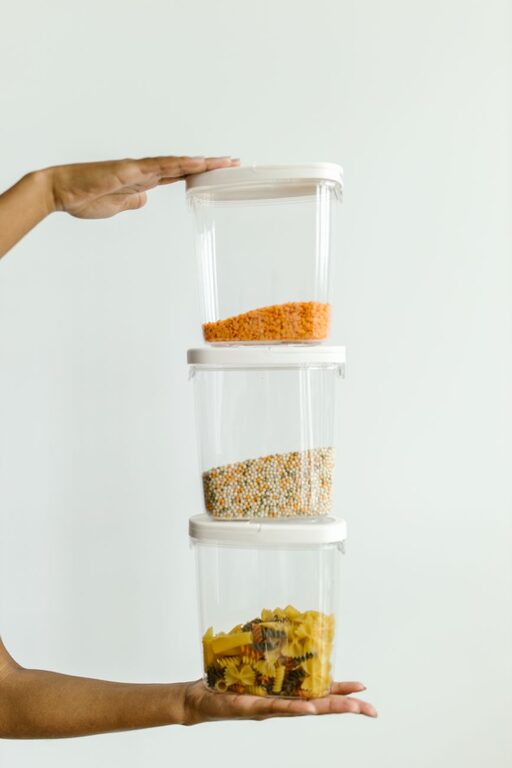
Having a well-stocked pantry can be a lifesaver when it comes to preparing meals quickly and affordably. By planning your meals around pantry staples, you reduce food waste, save money, and enjoy the flexibility to whip up tasty dishes anytime. In this post, we’ll guide you through the steps of effective meal planning using pantry essentials, so you can take advantage of what’s already in your kitchen.
Why Plan Meals from Pantry Staples?
Meal planning around pantry items helps you:
– Save time and money: Use what you have before buying more.
– Reduce food waste: Use ingredients before they expire.
– Simplify cooking: No last-minute trips to the store.
– Be creative: Mix and match staples for new recipes.
Your pantry likely already contains versatile ingredients like canned goods, dry grains, dried herbs, and spices that can be the foundation of many meals.
Step 1: Take Inventory of Your Pantry
Before planning meals, start by knowing exactly what you have. Here’s how to conduct a quick pantry inventory:
– Remove everything: Clear your pantry shelves or drawers to see all items.
– Sort and categorize: Group items by type—canned beans, pasta, grains, spices, baking ingredients, etc.
– Check expiration dates: Dispose of anything outdated.
– Make a list: Write down the items and quantities available.
This list will be your reference when planning meals.
Step 2: Identify Versatile Pantry Staples to Build Meals Around
Certain pantry staples serve as a base for many recipes. Here are some common staples and how they can be used:
– Grains: Rice, pasta, quinoa, couscous, oats
– Canned goods: Beans, tomatoes, tuna, coconut milk
– Baking essentials: Flour, sugar, baking powder
– Oils and vinegars: Olive oil, vegetable oil, apple cider vinegar
– Herbs and spices: Basil, oregano, cumin, paprika, garlic powder, salt, pepper
– Broths and sauces: Chicken or vegetable broth, soy sauce, hot sauce
By pairing these ingredients creatively, you can prepare soups, salads, pasta dishes, stir-fries, and more.
Step 3: Plan Your Meals Using the Pantry Inventory
Now that you know what you have, it’s time to plan meals. Follow these tips for a smooth process:
3.1 Choose a Meal Template
Start with familiar meal formats that use pantry staples:
– Pasta with sauce: Use canned tomatoes, olive oil, garlic, and herbs.
– Rice bowl: Combine cooked rice with beans, veggies (fresh or frozen), and spices.
– Soup or stew: Base with broth plus canned beans, tomatoes, and grains.
– Salads: Use canned tuna or beans mixed with olive oil and vinegar dressings.
– Stir-fry: Use rice or noodles and canned veggies or sauces.
3.2 Incorporate Fresh or Frozen Items If Available
While planning with pantry staples, you can add fresh or frozen vegetables, herbs, or proteins to enhance nutrition and flavor.
3.3 Write a Weekly Meal Plan
Create a simple outline with meals for each day. This helps avoid last-minute decisions and ensures you use what you have.
Example:
– Monday: Pasta with tomato and herb sauce
– Tuesday: Rice and beans bowl with sautéed greens
– Wednesday: Vegetable soup with canned tomatoes and broth
– Thursday: Tuna salad with crackers or bread
– Friday: Stir-fry noodles with frozen veggies
Step 4: Prepare a Shopping List to Fill Gaps
After planning, you may notice missing ingredients. Create a shopping list focused on fresh produce or proteins to complement your pantry staples rather than buying everything new. This approach keeps costs down and makes meal preparation easier.
Step 5: Tips for Cooking with Pantry Staples
Here are some practical tips to get the most from your pantry ingredients:
– Soak dried beans overnight to reduce cooking time.
– Rinse canned beans and vegetables to cut excess sodium.
– Cook grains in broth for added flavor.
– Use spices generously to elevate simple dishes.
– Combine textures and flavors: Add crunch with nuts or seeds and brightness with citrus or vinegar.
Step 6: Organize Your Pantry for Easy Access
Keeping your pantry organized makes meal planning faster and more enjoyable:
– Store items in clear containers or labeled jars.
– Keep frequently used staples at eye level.
– Group similar items together.
– Regularly check and clear out expired products.
Sample Recipe: Pantry Pasta with Tomato and Beans
Ingredients:
– 8 oz pasta (any type)
– 1 can diced tomatoes
– 1 can white beans, drained and rinsed
– 2 cloves garlic, minced (or 1 tsp garlic powder)
– 1 tbsp olive oil
– 1 tsp dried oregano
– Salt and pepper to taste
– Red pepper flakes (optional)
Instructions:
- Cook pasta according to package instructions. Drain and set aside.
- In a large skillet, heat olive oil over medium heat. Add garlic and sauté for 1 minute.
- Add canned tomatoes, beans, and oregano. Simmer for 10 minutes, stirring occasionally.
- Season with salt, pepper, and red pepper flakes if using.
- Toss cooked pasta with the tomato and bean sauce.
- Serve warm, garnished with fresh herbs if available.
—
By learning to plan meals from pantry staples, you not only reduce the stress of daily cooking but also become more resourceful in the kitchen. With some creativity and organization, your pantry can be a treasure trove of meal possibilities!