
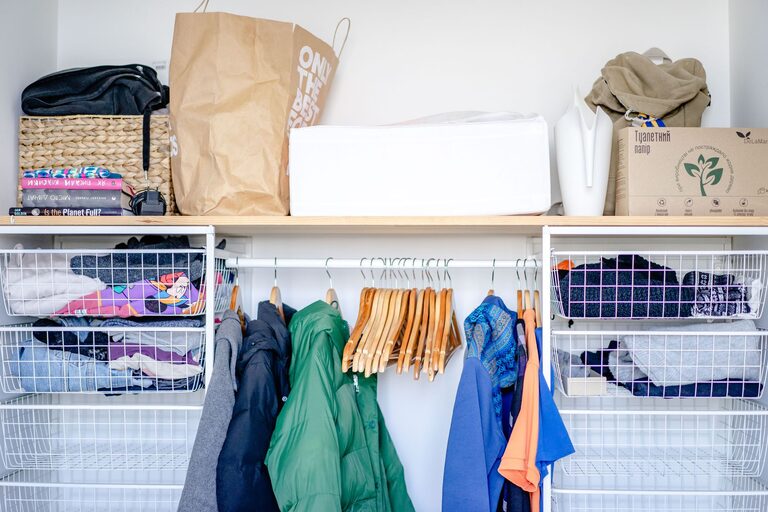
Storing seasonal clothes efficiently can make a significant difference in how your wardrobe looks and how easy it is to find what you need throughout the year. Whether you’re switching from summer to winter clothes or vice versa, having a clear plan for storage helps keep your clothes in great condition and your living space clutter-free. In this post, we’ll explore practical steps and smart solutions for organizing and storing seasonal garments.
Why Efficient Storage Matters
Seasonal clothes often take up a lot of space. If stored improperly, they can become wrinkled, damaged by pests, or difficult to access when needed. Efficient storage not only protects your clothing but also frees up room for everyday use and makes switching seasons less stressful.
Preparing Clothes Before Storage
Clean Everything First
Always wash or dry clean your clothes before storing them. Dirt, oils, and stains can set over time, attracting moths and causing permanent damage.
Repair and Sort
Check for any needed repairs, like missing buttons or loose threads. Sort clothes by type and fabric to make them easier to find later.
Dry Completely
Make sure all garments are completely dry to prevent mold and mildew growth. Damp clothing stored away can lead to unpleasant odors and fabric deterioration.
Choosing the Right Storage Containers
Use Breathable Options
Fabric bins, cotton garment bags, and canvas storage bags allow air circulation and help prevent moisture buildup. Avoid plastic bags for long-term storage because they can trap moisture.
Clear Plastic Bins with Seals
If you prefer plastic, choose bins with airtight seals to keep out dust and pests. To avoid moisture problems, add silica gel packets or moisture absorbers inside the bins.
Vacuum-Sealed Bags
These are great for bulky items like winter coats or sweaters because they reduce volume. However, avoid vacuum-sealing delicate fabrics like silk or anything with embellishments as it might damage them.
Storage Tips for Different Clothing Types
Knitwear and Sweaters
Fold sweaters neatly to avoid stretching. Avoid hanging them, as this can cause them to lose shape.
Dresses and Suits
Store these on padded hangers to keep their shape. Use breathable garment bags for extra protection.
Shoes and Accessories
Keep shoes in individual boxes or shoe organizers. For accessories like scarves and hats, use dedicated small boxes or drawer dividers.
Maximizing Closet and Storage Space
Use Vertical Space
Add hanging organizers or shelves inside your closet to make use of vertical space. Hooks on the inside of closet doors also offer extra spots for bags or hats.
Label Everything
Label bins and boxes clearly so you can find items quickly without opening every container.
Store Off-Season Clothes Out of Sight
If possible, keep out-of-season clothes in a separate, less accessible area like an attic, basement, or under the bed. This frees up prime closet space for the clothes you wear regularly.
Protecting Clothes from Pests and Damage
Use Natural Repellents
Lavender sachets, cedar blocks, or essential oil sprays help deter moths and insects in a safe and pleasant way.
Avoid Chemical Mothballs
These can be harmful to breathe and leave a strong odor on clothing.
Regularly Inspect Stored Clothes
Check your stored clothes every few months to ensure they’re in good condition and pest-free.
Tips for Easy Seasonal Swapping
Create a Rotating System
When you bring out your new season’s wardrobe, sort through the previous season’s clothes before storing them again. This gives you a chance to donate or discard items you no longer wear.
Use a Capsule Wardrobe Approach
Keeping a smaller selection of versatile seasonal items can reduce the total amount of clothing you need to store.
Final Thoughts
Efficiently storing seasonal clothes is all about preparation, choosing the right containers, and maintaining a system that works for your space and lifestyle. With a little effort, you can keep your wardrobe organized, protect your garments, and enjoy an easier transition between seasons.
By following these tips, you’ll save time on your seasonal wardrobe swaps and keep your clothes looking fresh year after year. Happy organizing!