
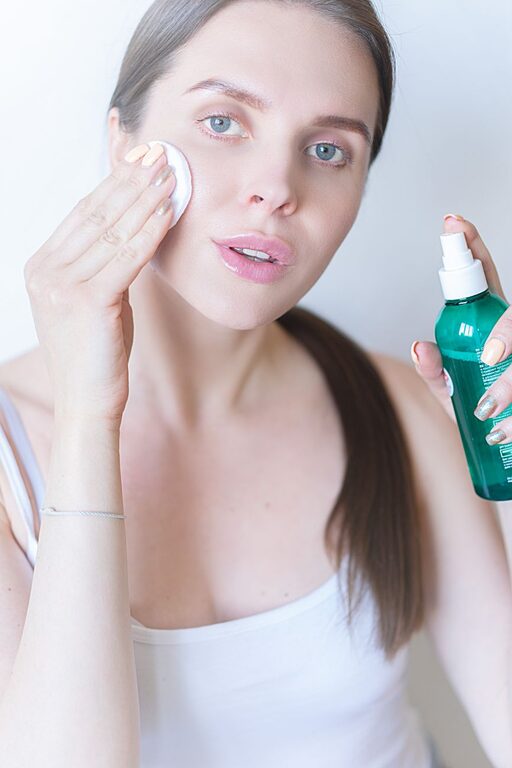
Starting a skincare routine might seem overwhelming at first with so many products and advice out there. However, a basic skincare regimen can be simple, quick, and very effective when you focus on a few essential steps tailored to your skin’s needs. Whether you are new to skincare or just want to establish a solid foundation, this guide will help you get started with a routine that promotes healthy, radiant skin.
Why Establish a Skincare Routine?
A consistent skincare routine:
– Protects your skin from environmental damage.
– Helps manage and prevent common skin concerns like dryness, oiliness, or acne.
– Keeps your skin hydrated and bright.
– Supports overall skin health and appearance as you age.
Now, let’s break down the key steps to create a basic but effective skincare routine.
Step 1: Identify Your Skin Type
Knowing your skin type is essential for choosing the right products and avoiding irritation. Skin types generally fall into these categories:
– Normal: Balanced, not too oily or dry.
– Dry: Flaky, rough, or tight feeling.
– Oily: Shiny with larger pores and prone to acne.
– Combination: Oily in some areas (usually the T-zone) and dry or normal in others.
– Sensitive: Easily irritated, prone to redness and discomfort.
You can determine your skin type by gently washing your face and observing how your skin feels after an hour. If it feels tight or flaky, you likely have dry skin. If it looks shiny, you might have oily skin. Combination skin will show a mix of these features.
Step 2: Gather Basic Skincare Products
For a beginner, stick to the essentials: cleanser, moisturizer, and sunscreen. These three products form the foundation of any skincare routine.
Cleanser
Cleansing removes dirt, oil, and impurities. Choose a gentle cleanser suited to your skin type:
– Dry skin: Cream-based or hydrating cleansers.
– Oily skin: Gel or foaming cleansers to help control oil.
– Sensitive skin: Fragrance-free, mild cleansers.
Avoid harsh soaps, which can strip your skin.
Moisturizer
Moisturizers hydrate and protect the skin barrier.
– For dry skin, choose richer creams with ingredients like hyaluronic acid or ceramides.
– For oily skin, light, oil-free moisturizers or gels work better.
– Sensitive skin benefits from gentle, fragrance-free formulas.
Sunscreen
Daily sun protection is crucial to prevent premature aging and skin damage.
– Use a broad-spectrum sunscreen with at least SPF 30.
– Apply every morning, even on cloudy days.
– Choose formulas suitable for your skin type (e.g., non-comedogenic for oily skin).
Step 3: Build Your Morning Routine
1. Cleanse
Start your day by washing your face with your chosen cleanser. Use lukewarm water and gentle circular motions. Pat dry with a soft towel.
2. Moisturize
Apply a small amount of moisturizer to your face and neck. This helps lock in hydration and prepares your skin for the day.
3. Apply Sunscreen
After moisturizer, apply sunscreen evenly to all exposed areas of your skin. This step protects you from harmful UV rays throughout the day.
Step 4: Build Your Evening Routine
1. Cleanse Again
Remove makeup, sunscreen, and pollutants by washing your face with your cleanser. This allows your skin to breathe and renew overnight.
2. Moisturize
Apply your moisturizer to help restore hydration while you sleep.
Optional Step: Add Exfoliation (1-2 times per week)
Exfoliation removes dead skin cells and helps brighten your complexion.
– Use a gentle chemical exfoliant (like AHAs or BHAs) or a mild physical scrub.
– Avoid over-exfoliating, which can cause irritation.
– Always follow exfoliation with moisturizer.
Tips for Success
– Consistency is key: Follow your routine daily for the best results.
– Patch test new products: Apply a small amount on your skin to check for reactions.
– Stay hydrated and eat balanced meals: Healthy skin also comes from good lifestyle habits.
– Adjust with seasons: Your skin may need richer products in winter and lighter ones in summer.
– Be patient: It may take a few weeks to see noticeable improvements.
When to See a Dermatologist
If you experience persistent irritation, unusual breakouts, or skin conditions like eczema or rosacea, consulting a dermatologist is recommended. They can offer personalized advice and treatments.
—
Starting a basic skincare routine is a great step toward healthier skin and improved confidence. By understanding your skin and using a few carefully selected products, you’ll create a simple, effective habit that can last a lifetime. Remember, skincare is personal, so feel free to tweak your routine as you learn what works best for you.